
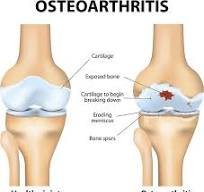
The disease affected 8.49 million people in Pakistan and 5,923 registered cases in G-B
Osteoarthritis, the most common form of arthritis, is a degenerative joint disease in which the protective cartilage — the rubber-like tissue covering the ends of bones — gradually deteriorates. It is typically characterised by joint swelling (edema), restricted range of motion, stiffness, severe pain, and, in advanced stages, joint disability. It is one of the leading causes of musculoskeletal disability worldwide, affecting hundreds of millions of people annually.
Globally, osteoarthritis ranks among the top contributors to disability, particularly in aging populations across both urban and rural areas. According to the World Health Organization (WHO) report, in 2023 approximately 365 million people experienced inflammation and degeneration of major joints such as the hands, knees, and hips. The Global Burden of Disease Study conducted by the National Institute of Health ((NIH) in 2020, estimated that around 595 million people (7.6% of the world’s population) were living with osteoarthritis, reflecting a 132.2% rise in cases since 1990.
Projections suggest a sharp increase in the prevalence of the disease by 2050, with osteoarthritis expected to affect 74.9% more people’s knee joints, 48.6% more hands, 78.6% more hips, and 95% more cases of other forms compared to current levels.
In 2021, the global age-standardised Years Lived with Disability (YLD) rate for osteoarthritis was 244.5 per 100,000 population (95% UI: 117.06–493.11), while the age-standardised prevalence rate reached 6,967.29 per 100,000 population (95% UI: 6,180.7–7,686.06), and the incidence rate was 535 per 100,000 (95% UI: 472.38–591.97).
These statistics highlight osteoarthritis as a rapidly growing global health burden, particularly among adults over 55 years of age, underscoring the urgent need for preventive care, early diagnosis, and sustainable management strategies.
Pakistan continues to face mounting health challenges, with musculoskeletal disorders like osteoarthritis often receiving limited attention. Osteoarthritis has hit the health conditions in Pakistan for many decades, as it has been included in one of the fastest growing countries suffering with knee osteoarthritis. According to a population based study, one in four people have osteoarthritis with urban areas having 28% while rural areas 25%.
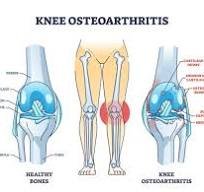
Global Burden of Disease data base from 1990 to 2021 shows that the prevalence of osteoarthritis has increased from 2.85 million to 8.49 million in Pakistan. The age standard grew from 4,966 to 5,854 per 100,000 population (17.9%) from 1990 to 2021. In Pakistan women osteoarthritis cases were 7,179 per 100,000 people in 2021 then 4,645 per 100,000 in men.
The GBD across provinces and capital territory shows a fluctuating number of osteoarthritis cases. The highest cases were observed in the Islamabad capital territory with 7,166, followed by Kashmir 6,456, Sindh 6,284, Balochistan 5,934, Punjab 5,700 and Khyber-Pakhtunkhwa (KP) 5,606 per 100,000 population. The highest Disability Adjusted Life Years (DALYs) of 30% was found in Islamabad capital territory at 250.71 per 100,000 population.
Over 31 years, Pakistan’s age standardised YLD (Years lived with Disability) rate of osteoarthritis increased from 168.48 in 1990 to 200.60 in 2021. It particularly increased in women from 206.60 to 248.18 in 2021.
Gilgit-Baltista is one of the most neglected regions in terms of healthcare infrastructure. The prevalence of osteoarthritis increased during the last over one decade reflecting broader national trends of rising non-communicable diseases amid poor healthcare access and awareness. Gilgit Baltistan showed an increase from 410.73 to 515.27 (11.4%) between 1990 and 2021. The region experienced 16% increase in Disability Adjusted Life Years (DALYs) from 175.11 to 203.15 per 100,000 between 1990 to 2021.
The prevalence of osteoarthritis in male population is predicted to increase from 5,763 to 5,922 per 100,000. Age standardised prevalence among females is expected to reduce from 8,034 to 7,925 per 100,000 by 2036.
Leading factors and symptoms
The common factors contributing to osteoarthritis include genetic inheritance, a higher Body Mass Index (BMI), joint injuries, overuse of joints, and lifestyle-related nutritional changes. According to research by the National Institutes of Health, excessive salt intake can increase the risk of knee osteoarthritis.
A study published in the Armed Forces Medical Journal (2023) found that 91% of participants believed vitamin D deficiency to be a risk factor for osteoarthritis.The research conducted by Yusra Medical and Dental College in 2015, surveyed 210 individuals from Rawalpindi and Islamabad. The study concluded that vitamin D plays a vital role in calcium absorption and bone mineralisation, both essential for maintaining bone strength.
The research, however, suggested that there is currently no up-to-date data on osteoarthritis prevalence in Pakistan, including Gilgit-Baltistan, since 2021. This lack reflects the negligence of both national and provincial health authorities.
This raises an important question: why are osteoarthritis cases increasing in Gilgit-Baltistan? The primary cause appears to be the physically demanding lifestyle of the region’s inhabitants. People often engage in strenuous labour such as farming, herding, and carrying heavy loads across steep and uneven terrains. These activities place continuous pressure on the knees and joints, leading to cartilage degradation and, ultimately, the development of osteoarthritis.
Also read: Pakistan’s polio resurgence stymies global eradication efforts
Disasters in Gilgit-Baltistan: surge in waterborne diseases
Gilgit-Baltistan: smoking, vaping pose a growing health emergency
Secondly, Gilgit-Baltistan is a remote region where access to healthcare is both limited and costly. Public hospitals are few, poorly equipped, and often lack the necessary medical facilities and specialist doctors to properly diagnose diseases. Although private hospitals, most notably the Aga Khan Health Centres, operate in the region, their services are expensive and unaffordable for the majority of the population. Consequently, many people neglect previous injuries and delay medical checkups. Even a single untreated joint injury can eventually develop into osteoarthritis and lead to disability.
Moreover, the people of Gilgit-Baltistan largely depend on seasonal foods, and their diets often lack the variety needed to maintain proper nutritional balance. This dietary limitation increases the risk of vitamin deficiencies, reduces musculoskeletal strength, and contributes to the development of arthritis. Other contributing factors include aging and a general lack of awareness about preventive healthcare.
Prevention and cure
The government must remain vigilant regarding public health challenges and develop effective strategies to address them. It should also ensure regular and updated assessments of osteoarthritis prevalence across the country. Currently, Pakistan allocates less than 1% of its national budget to the health sector, a figure far too low given the nation’s healthcare needs.
Pakistan must significantly increase its health expenditure and prioritise public health promotion.
Government health departments should actively address osteoarthritis by organising awareness campaigns, screening programmes, and diagnostic initiatives such as X-rays and early interventions. Such measures would help reduce migration to urban areas for medical treatment, saving people both time and financial resources.
On an individual level, citizens must also take responsibility for maintaining a healthy lifestyle and managing stress, which are key components of overall well-being.
These preventive measures can play a significant role in reducing osteoarthritis and protecting communities from further health risks. However, a major challenge remains: there is very limited research on the health issues of Gilgit-Baltistan. The region’s inadequate healthcare system fails to provide reliable data or estimations regarding the rising prevalence of diseases. This lack of information further complicates the overall health situation, as there are no proper systems in place to track mortality rates, increasing case numbers, or preventive measures undertaken by government health departments.
For the fiscal year 2025–2026, the Gilgit-Baltistan government has allocated Rs1.25 billion to the health sector. Yet, a crucial question arises: will this budget be utilised fairly and effectively for the benefit of the people?
Moreover, numerous diseases have been steadily increasing in Gilgit-Baltistan over the past several decades. Due to limited healthcare facilities, many residents are forced to travel long distances to urban centres for diagnosis and treatment.
The Government of Pakistan has demonstrated the capability to provide heavy machinery and vehicles for mineral extraction even in high-altitude areas. Given this capacity, one must ask: why can it not ensure the availability of basic healthcare necessities such as CT scans, X-rays, and physical therapy facilities in the remote villages of Gilgit-Baltistan? Does this not reflect governmental neglect and misplaced priorities?
Sadia Gulzar is a talented student from Yasin valley of Gilgit-Baltistan. She is currently pursuing BScN degree at Ziauddin Hospital, Karachi. With a passion for writing, she contributes essays regularly to the High Asia Asia Herald pages on public health-related issues, reflecting her enthusiasm for promoting awareness about public health wellness.

The High Asia Herald is a member of High Asia Media Group — a window to High Asia and Central Asia
One thought on “The rising tide of osteoarthritis in Gilgit-Baltistan”
I am a second-year DPT (Doctor of Physical Therapy) student. I belong to Jalalabad, Gilgit-Baltistan. In our area, there is no awareness about physiotherapy. I want to arrange a seminar in Gilgit-Baltistan to raise awareness among people about physiotherapy. I am currently studying in Islamabad at the National Excellence Institute. After completing my studies, Insha’Allah, I plan to open a physiotherapy hospital. Can you arrange a seminar there?