
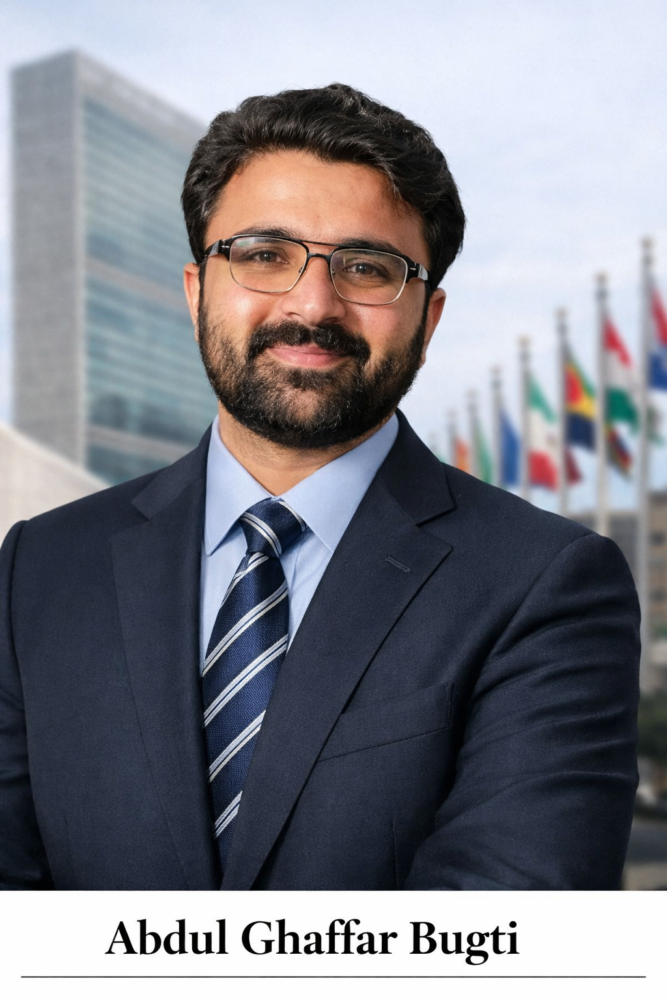
Abdul Ghaffar Bugti
Pakistan’s Prevention of Electronic Crimes Act (PECA) was introduced as a safeguard against cybercrime. Over time, however, it has increasingly appeared less as a shield against digital threats and more as a sword against dissent. Those exposing corruption, injustice, or manipulation—journalists, lawyers, activists, and even grieving families—often find themselves facing summons, surveillance, and arrest.
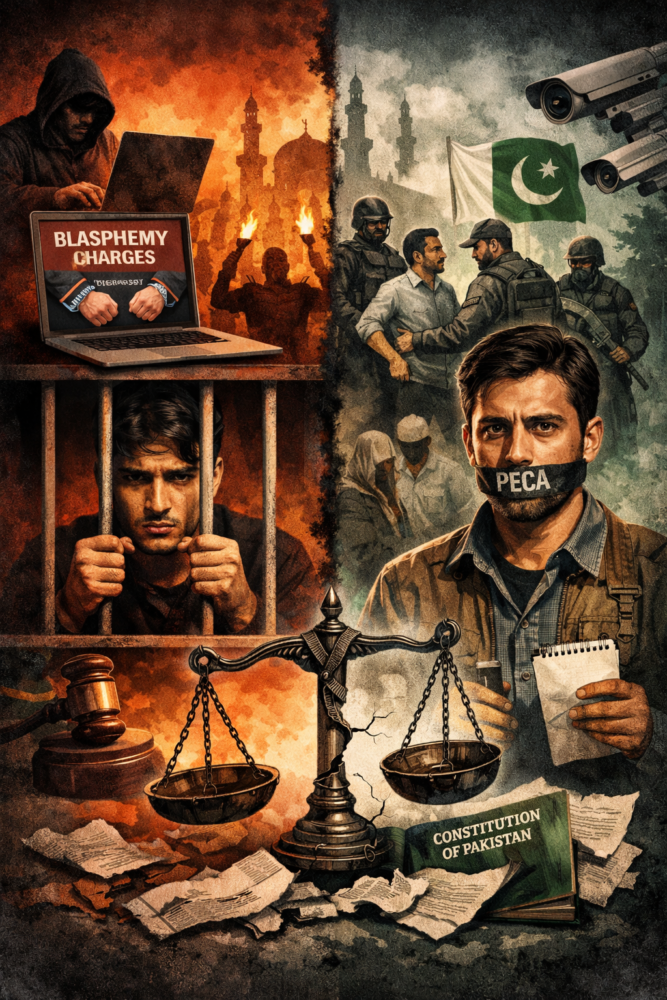
At the same time, an alarming pattern has emerged in blasphemy-related cases. Reports presented before the National Commission on Human Rights indicate that, up to mid-2024, more than 700 young Pakistanis—engineers, teachers, labourers, and students from across provinces—are imprisoned on blasphemy charges. In numerous cases, families allege hacked social media accounts, fabricated evidence, or digital manipulation.
There are persistent allegations that organised networks exploit vulnerable youth through online “honey traps,” luring them into fabricated cases that spiral into mob violence or prolonged incarceration. Whether every allegation stands legal scrutiny is for courts to determine—but the scale of complaints demands institutional attention. When hundreds of families tell similar stories, silence becomes complicity.
The visible consequence is a society pushed further toward fear and extremism. Young people grow up believing that a single manipulated post can end their future. Trust in institutions erodes. The rule of law weakens.
Yet, those who attempt to question this pattern often face legal retaliation.
Human rights lawyers such as Imaan Mazari and Hadi Ali Chattha, known for defending individuals accused in blasphemy cases, have faced arrest and charges, including provisions under PECA and anti-terror laws, while performing their professional duties. Journalists like Nadir Baloch, reporting on rights abuses, have received summons from cyber-crime authorities over alleged “derogatory remarks.”
Senior investigator Mujahid Hussain Khan, who facilitated discussions at The Black Hole in Islamabad with victims’ families and religious scholars on blasphemy jurisprudence, has reportedly faced pressure following these engagements. Religious scholar Engineer Muhammad Ali Mirza, who attempted to initiate dialogue and suggest solutions, was arrested on blasphemy charges, spent months behind bars, and has since faced renewed threats.
One question arises: why punish the trapped rather than the trappers?
If over 700 young citizens remain imprisoned amid allegations of digital fabrication, why has there been no independent inquiry commission? If networks are indeed manipulating faith for personal gain, why are they not the focus of systematic investigation? Why are defenders of due process treated as threats rather than as participants in democratic debate?
The Constitution of Pakistan guarantees freedom of expression and due process. When cybercrime law collides with these protections, the state must pause and reassess. A law designed to combat online exploitation should not become a mechanism that discourages transparency and accountability.
This is not a call to weaken religious sensitivity or undermine public order. It is a call to strengthen justice. Extremism has already strained Pakistan’s social fabric; suppressing scrutiny will not heal it.
State institutions must establish an independent commission to examine these cases transparently. PECA’s controversial provisions should be reviewed to prevent misuse. Protect the innocent. Prosecute those who fabricate and exploit. Restore trust in institutions before another generation loses faith in them.
A nation’s strength does not lie in silencing questions. It lies in answering them
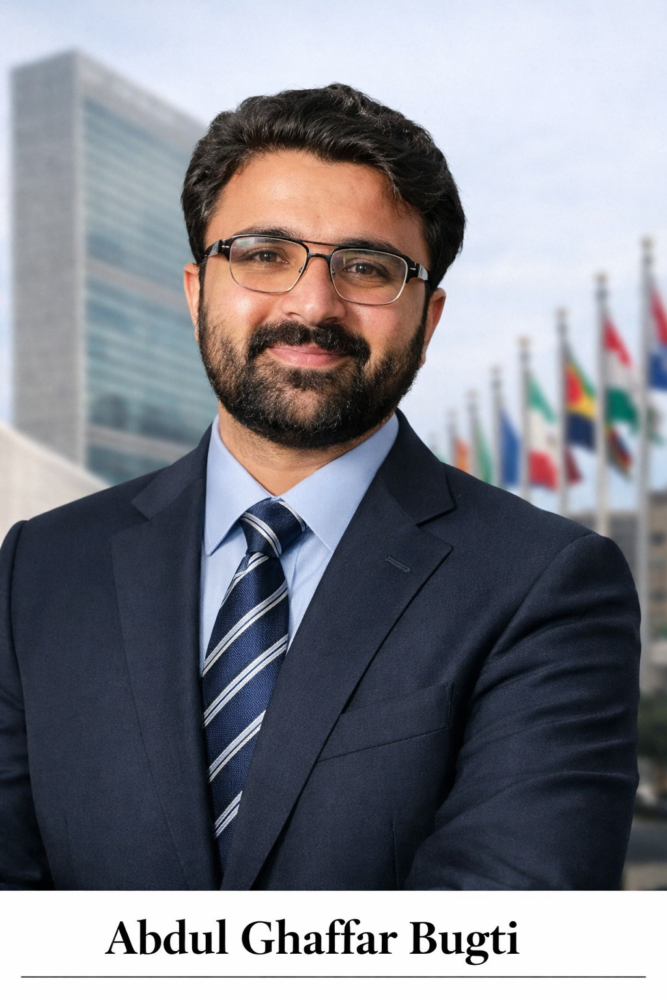
Abdul Ghaffar Bugti is a journalist and Member of Amnesty International

The High Asia Herald is a member of High Asia Media Group — a window to High Asia and Central Asia
One thought on “Faith, Fear, and the Failure of Accountability”
Great article sir