
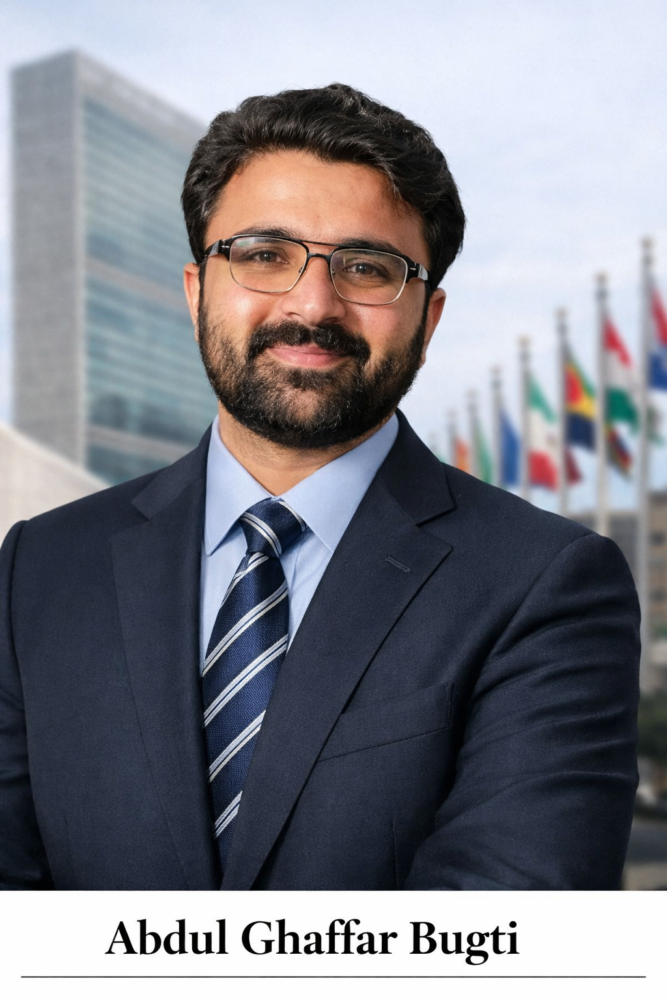
Abdul Ghaffar Bugti
From Muslim Colony to Shakarparian, Islamabad’s bulldozers have moved with ruthless efficiency—flattening homes, uprooting trees, and erasing World War I memorials and a Mughal-era mosque in a single sweep—revealing a city where people, nature, and history are all deemed expendable before the altar of capital-led development.
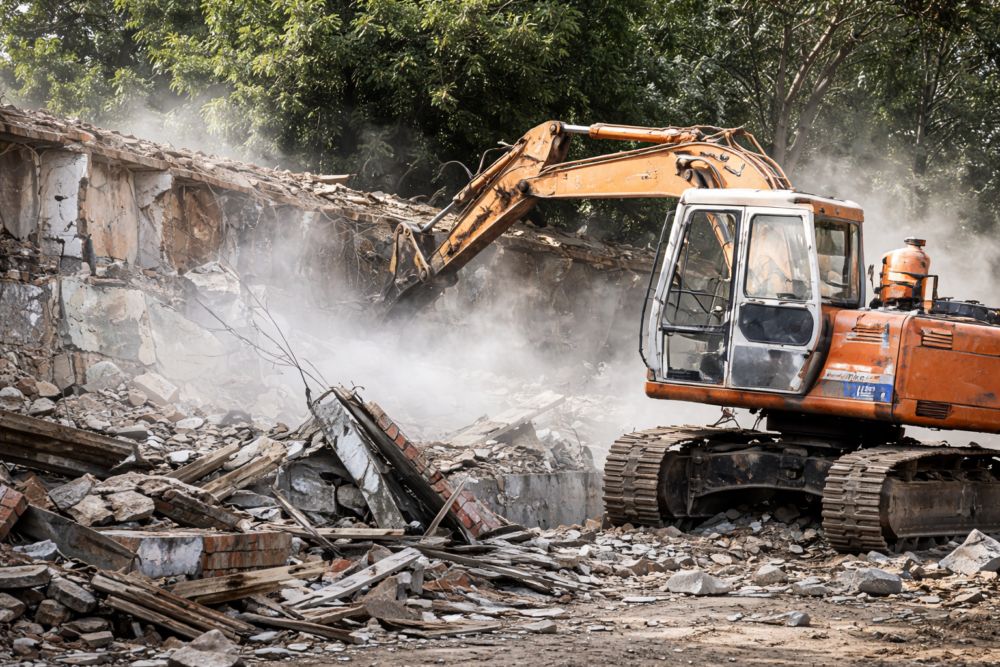
Islamabad is being redesigned as an elite enclave where infrastructure serves capital rather than citizens—and where “development” functions as a legal instrument to erase the working class, nature, and history. The city is increasingly stitched together by highways connecting elite zones: from the airport to Blue Area, the Red Zone to Barakahu, and onward toward Rawat, DHA, and Bahria Town. Meanwhile, the people who build, clean, and service the capital are steadily pushed out of sight.
This transformation is celebrated as a development model. In reality, it follows a familiar urban script: housing societies masquerading as housing policy; roads replacing public transport; malls and private hospitals substituting for public welfare. These are not instruments of inclusion but mechanisms of exclusion. Islamabad’s transformation is not the result of administrative failure—it is a class project. Land is converted into exchange value for developers, investors, and rentiers, while workers are rendered surplus.
Much of Islamabad’s new real estate remains unoccupied, driven by speculative capital rather than urban need. For the working class, the only visible outcomes are rising rents and shrinking living space.
Developers have even demolished a British-era World War I monument , a move that reflects a blatant disregard for Islamabad’s cultural and historical heritage. Such landmarks are not mere stones; they anchor the city’s present in the narratives of its past and give depth to the federal capital’s identity.
Simultaneously, Islamabad’s natural fabric is being stripped away. Large-scale tree-cutting drives—particularly along the H-8 Expressway and the Margalla Enclave Link Road—have destroyed an estimated 15 to 20 hectares of urban green cover. This is not just environmental damage; it is an assault on the city’s ecological health and aesthetic character.
At the centre of this transformation stands the Capital Development Authority (CDA). Unlike provincial cities governed by elected local bodies, Islamabad’s most powerful civic institution is neither elected nor meaningfully accountable to residents. While MNAs nominally represent the capital, real authority over land use, demolitions, and planning rests with the CDA. The repeated postponement of local government elections has further hollowed out democratic oversight, enabling selective legality: elite encroachments are normalized—even regularised—while informal settlements are criminalised and erased in the name of order.
Nowhere is this clearer than in the systematic demolition of katchi abadis. Since 2015, more than 50 informal settlements have been bulldozed across Islamabad, often without resettlement or tenure security. The I-11 katchi abadi remains the most notorious case—razed despite a Supreme Court stay order and explicit instructions that evictions proceed only with viable housing plans for low-income residents. A decade later, the pattern continues with impunity.
More recently, the decades-old Muslim Colony in Noor Pur Shahan—home to around 30,000 people—was demolished despite legal challenges, leaving thousands homeless in winter without alternatives. Dhobi Ghat Basti near Abpara met a similar fate. These are not isolated incidents but policy outcomes. Eviction has become the city’s default response to poverty.
This exclusionary violence extends beyond the loss of shelter. When residents of informal settlements are denied NADRA address registration, they are stripped of legal existence. Access to education, healthcare, banking, and voting is curtailed through bureaucratic erasure.
Even death has become class-divided: burial rights in Islamabad are increasingly regulated along socioeconomic lines, determining where—or whether—the poor may bury their dead. The city does not merely remove homes; it erases citizenship.
Exclusion also permeates everyday livelihoods. Islamabad faces a chronic shortage of affordable student hostels, forcing many—especially women—into precarious living arrangements routinely disrupted by CDA raids under zoning regulations. Food vendors are criminalised, their carts confiscated, despite court rulings recognising street vending as a legitimate livelihood. Gig workers—riders, drivers, delivery personnel—remain invisible in urban planning yet are acutely vulnerable to protest-era internet shutdowns that slash their incomes.
The demolition of Islamabad’s dhabas has further stripped the working class of affordable meals, forcing them into expensive restaurants. The state offers no alternatives, while cheap eateries quietly persist in elite enclaves—a telling irony in the capital city.
In Islamabad, informality is treated as illegality only when it belongs to the poor. The contrast with elite privilege is stark. While katchi abadis, old villages, and informal livelihoods face relentless demolition drives, powerful real estate developers operate with near-total impunity. Illegal housing schemes expand unchecked, commercial plazas mushroom along the Margalla foothills, and institutional housing societies—originally meant for employees—are converted into speculative assets.
This article has been published in The Friday Times.
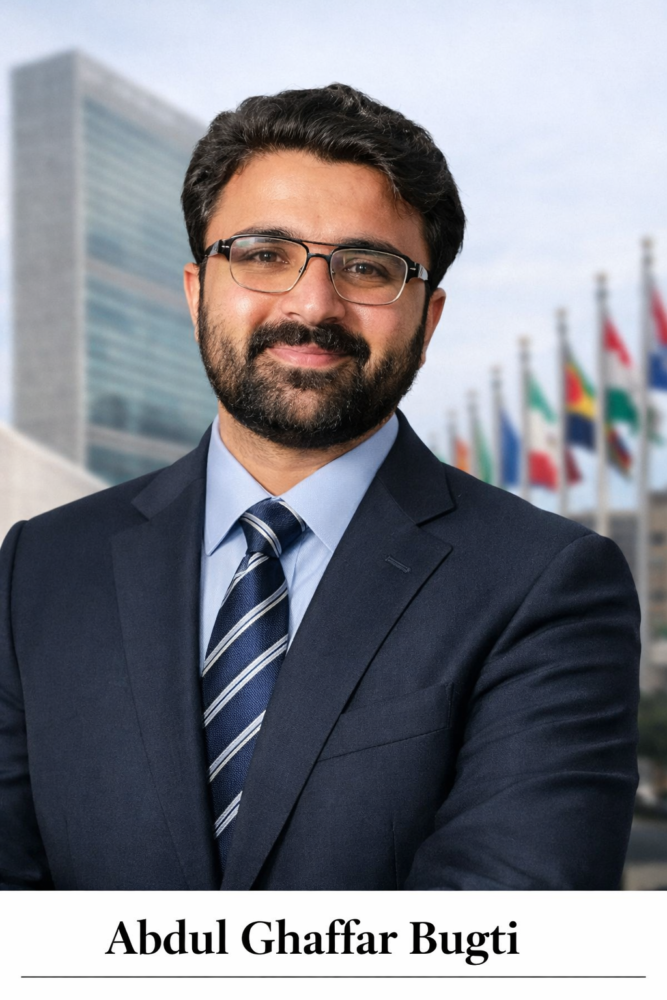
Abdul Ghaffar Bugti is a journalist, essayist, and human rights activist , United Nation Youth leader and Member of Amnesty International dedicated to amplifying marginalised voices with particular focus on Balochistan. Currently serving as Assistant Editor at The High Asia Herald and Baam-e-Jahan. His incisive essays—published in The Friday Times, The Express Tribune, Humsub Urdu, Nayadaur Urdu, and Sri Lanka Guardian—tackle pressing socio-political issues, from gender inequality and educational disparities to the systemic exploitation of resources in Balochistan and other oppressed communities.

The High Asia Herald is a member of High Asia Media Group — a window to High Asia and Central Asia