
The passing away of His Highness Prince Karim Aga Khan marks a moment of profound global sorrow, particularly for the people of Gilgit-Baltistan. As the 49th Imam of the Ismaili Muslims, his visionary leadership transcended religious, cultural, and geographical boundaries, leaving a transformative legacy of progress in some of the world’s most remote regions, including the mountainous expanse of Gilgit-Baltistan.
Prince Karim Aga Khan embodied compassion, wisdom, and an unwavering dedication to uplifting not only his followers but all underserved humanity. His vision extended far beyond spiritual stewardship, encompassing a holistic framework for socio-economic empowerment of communities, irrespective of caste, creed, or social background. His leadership philosophy—rooted in intellectual enlightenment, self-reliance, and service—redefined development.
A hallmark of the Ismaili community under his guidance was its progressive ethos, blending faith with pragmatic engagement in the modern world. The role of a Mukhi, a religious leader within Ismaili society, exemplifies this ethos. Rather than symbolic vestments, Mukhis are distinguished by religious knowledge and commitment to voluntary service. Like their members of his community, they balance secular professions with religious duties—a harmonious integration of faith and daily life that mirrors the Aga Khan’s teachings.
His Highness’s vision, philosophy and impact, channelled through the Aga Khan Development Network (AKDN), remains unparalleled. Spearheading advancements in education, healthcare, infrastructure, and economic empowerment, the Network catalysed a renaissance in the region. Initiatives such as community-led schools, accessible healthcare clinics, and inclusive entrepreneurship programmes reached even the most underserved populations, fostering sustainable development free from prejudice.
My tenure of two years and seven months with the AKDN offered me the privilege of witnessing this legacy firsthand. Collaborating with local communities to advance livelihoods, gender equity, and rural empowerment, I gained profound insight into the Aga Khan’s philosophy. Each initiative reflected his belief in dignity-driven development, where knowledge and sustainability anchor every effort.
A recent visit to Toronto’s Aga Khan Museum further illuminated his extraordinary vision. The institution stands as a monument to cultural pluralism, meticulously curating Islamic heritage through rare manuscripts, art, and artifacts. This space, bridging histories and faiths, encapsulates his reverence for intellectual exchange and his mission to celebrate humanity’s shared tapestry.
Prince Karim Aga Khan’s legacy will endure as a beacon for future generations. His leadership transcended geographical and ideological confines, championing universal values of education, ethical governance, and compassion. As we grieve his loss, we must also honour his life by embracing the ideals he espoused, inclusivity, intellectual curiosity, and service to others.
His vision for Gilgit-Baltistan and the global community remains a lodestar, guiding us toward a more equitable and enlightened future. In upholding these principles, we ensure that his light continues to illuminate paths of progress for generations to come.

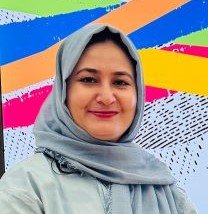
Roheena Ali Shah is a gender expert and scholar from Gilgit-Baltistan. She contributes essays on social issues to the High Asia Herald, regularly.

The High Asia Herald is a member of High Asia Media Group — a window to High Asia and Central Asia
2 thoughts on “Prince Karim Aga Khan — a visionary leader and philanthropist”
Very nice mam Roheena Shah i prod of you, Good job well-done
Insightful 👏🏻