
Herald Report
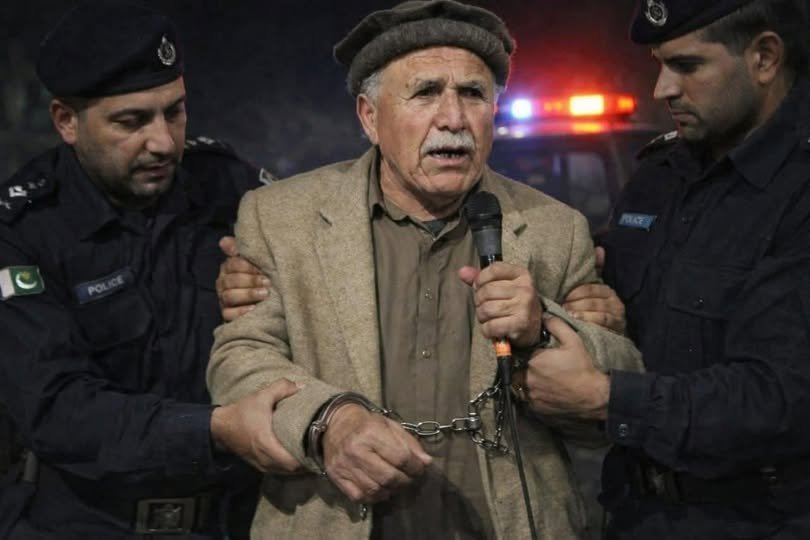
Islamabad, May 4: As human rights defenders and activists in Islamabad and at Hunza took to the streets, protesting the imprisonment of political figures and rights advocates, including Awami Action Committee chairman Ehsan Ali, Shabbir Mayar and others in Gilgit, and human rights lawyers Imaan Zainab-Mazari and her husband Hadi Ali Chattha, Pakistan’s premier rights watchdog released its flagship report for last year.
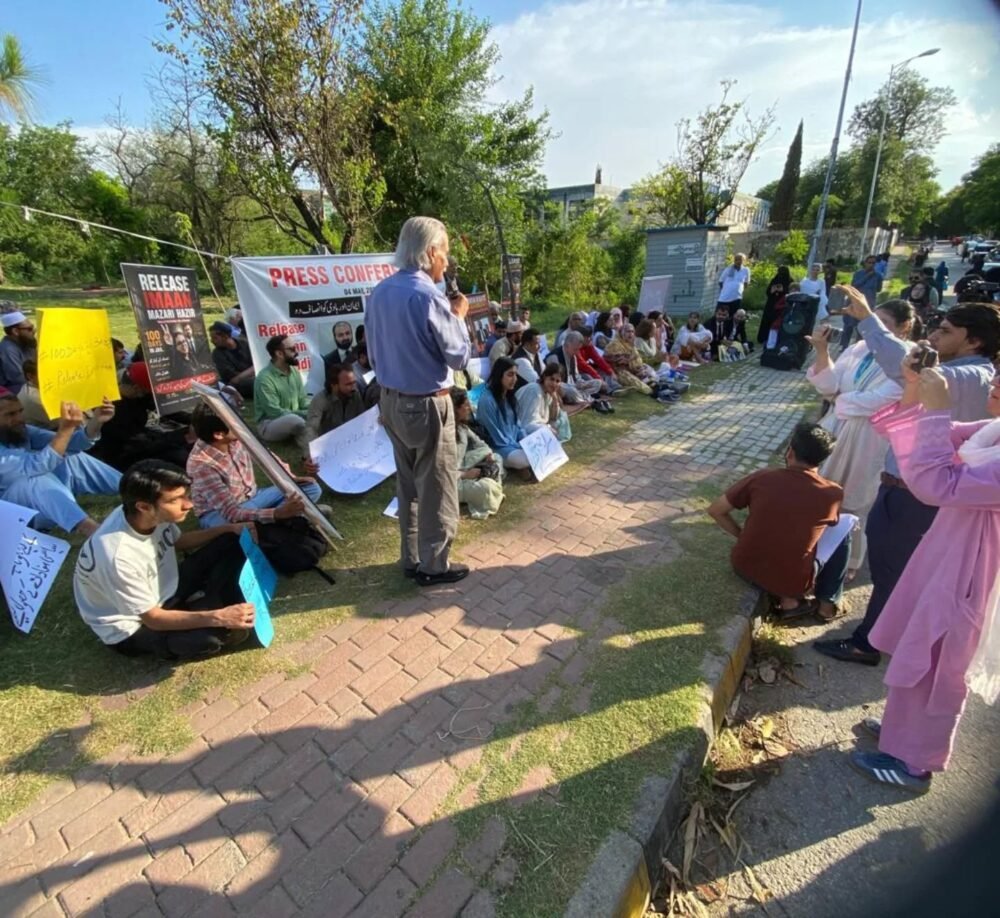
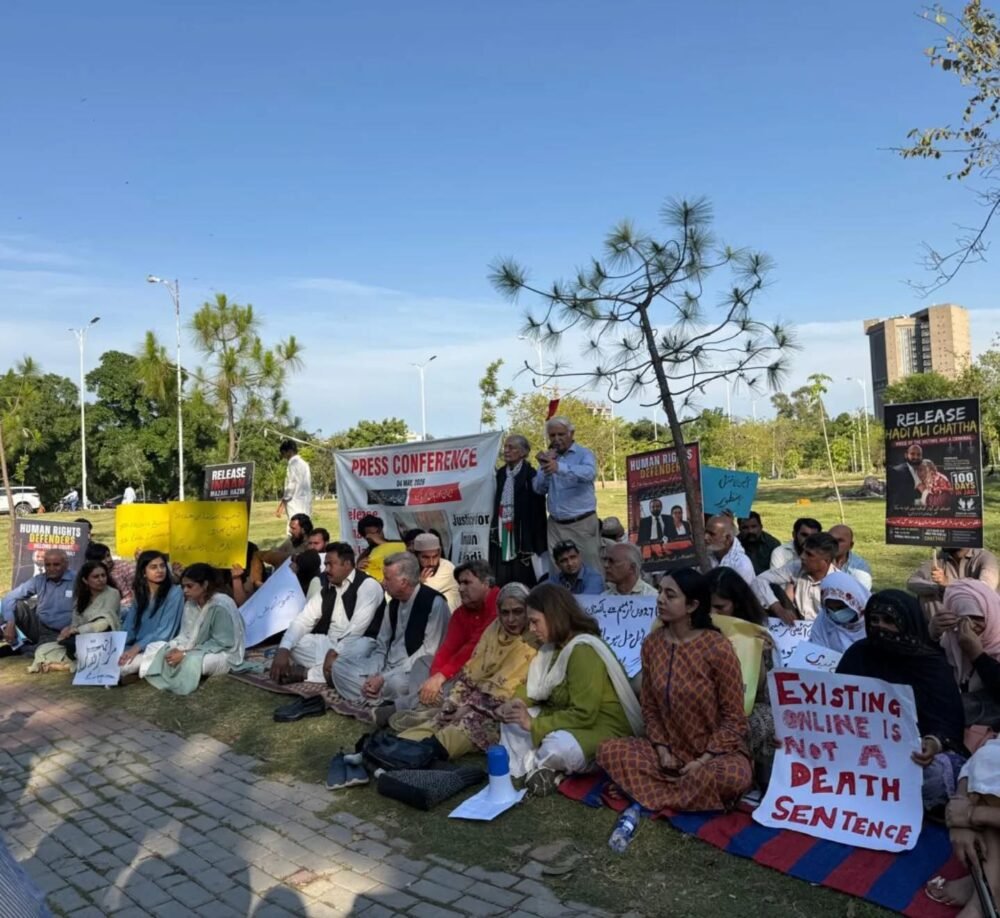
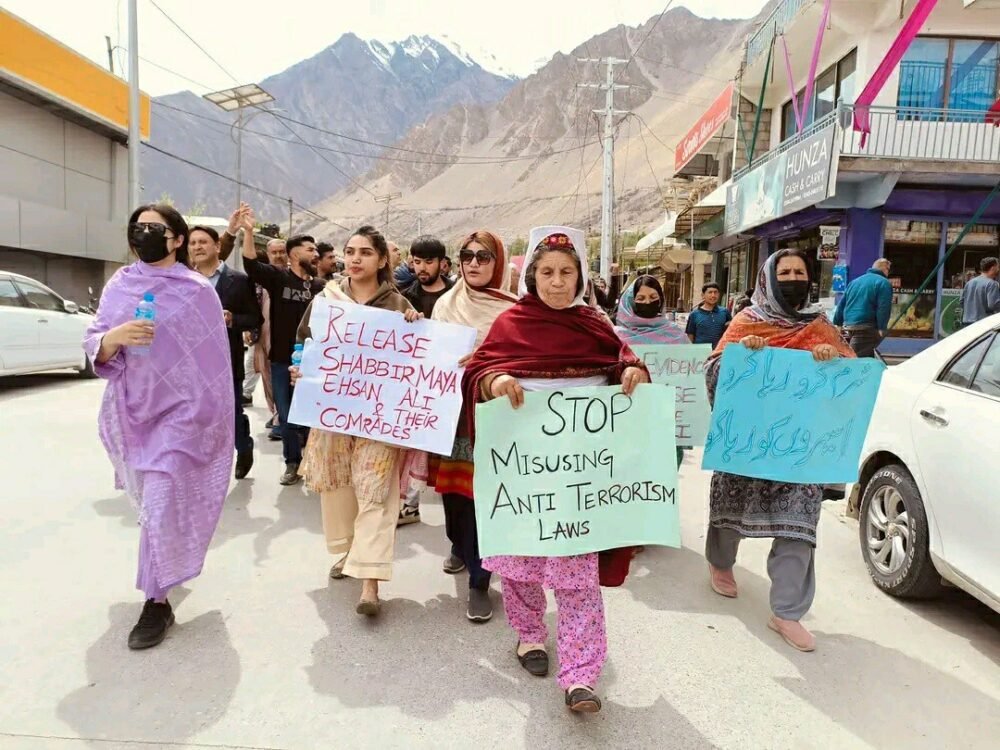
The ‘Status of Human Rights in Pakistan in 2025’, documents a year marked by a severe contraction of civic space, the erosion of judicial independence, and deepening insecurity.The timing could not have been more damning.
The report paints a harrowing picture. A nation gripped by the violent contraction of civic space, the systematic erosion of judicial independence, and deepening insecurity that spares no citizen.
The report observes with alarm that the right to freedom of expression, particularly to question authority and demand accountability, was brutally suppressed. The consequences, it warns, have been devastating for the rule of law and the very survival of fundamental freedoms.
Worryingly, legal and institutional mechanisms were weaponised to curb dissent. Amendments to the Prevention of Electronic Crimes Act, alongside the use of sedition and anti-terrorism laws, led to a widespread targeting of journalists, political workers, activists, and lawyers. Reports of intimidation, enforced disappearances, and restrictions on movement have now calcified into a climate of pervasive fear and self-censorship, silencing public discourse and burying human rights violations beneath a shroud of state-sanctioned impunity.
Amendments to the Anti-Terrorism Act 1997 at the federal and Balochistan levels, allowing law enforcement agencies and even the armed forces to detain any person for up to three months without charge or judicial oversight, expanded the scope for undermining fundamental rights of liberty, due process, and protection from arbitrary detention.
In particular, the report highlights a marked deterioration in judicial independence, particularly following the passage of the 27th Constitutional Amendment, which reconfigured judicial appointments and expanded executive influence.
Key court decisions during the year further narrowed democratic space, raising serious concerns about due process and the separation of powers through judgements that enabled the military trials of civilians and effectively delegitimised the Pakistan Tehreek-i-Insaf (PTI) by denying the party the reserved seats it had been granted in 2024.
Security challenges compounded rights violations. Militancy and counter-terrorism operations disproportionately affected Khyber-Pakhtunkhwa and Balochistan, resulting in significant civilian and law enforcement casualties. Enforced disappearances, extrajudicial killings, and collective punishments persisted, while vulnerable groups—including women, children, religious minorities, and transgender persons—continued to face violence and discrimination without adequate redress.
Miners and sanitation workers in particular remained vulnerable to accidents with little reported progress in improving their safety. While climate-related disasters, particularly in Gilgit-Baltistan, caused multiple deaths and destroyed infrastructure, the government’s response remained reactive rather than long-term.
The report notes several positive developments. The passage of the National Commission for Minorities Act represents a long-awaited step toward institutional protection for religious minorities. The Child Marriage Restraint Acts for Islamabad Capital Territory and Balochistan marked progress in safeguarding children’s rights, while the higher courts issued important judgments advancing women’s rights in areas such as inheritance and marriage. Targeted welfare initiatives and institutional reforms at provincial levels also offered relief, but incrementally.
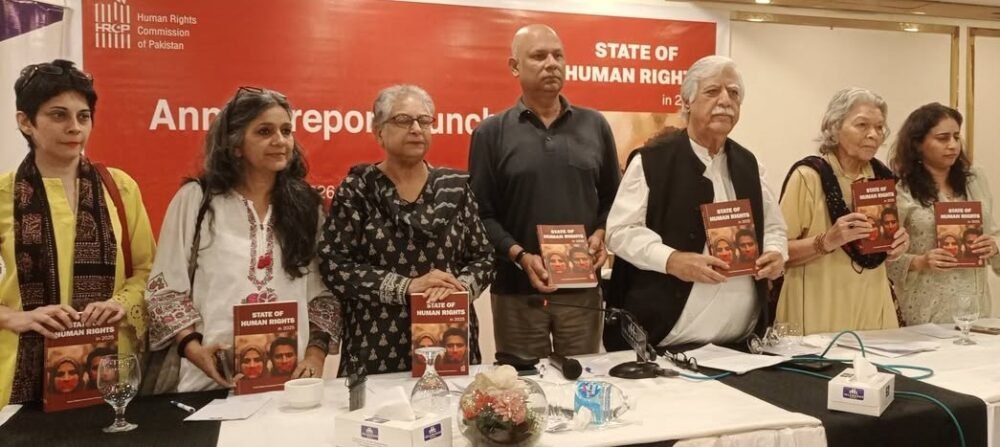
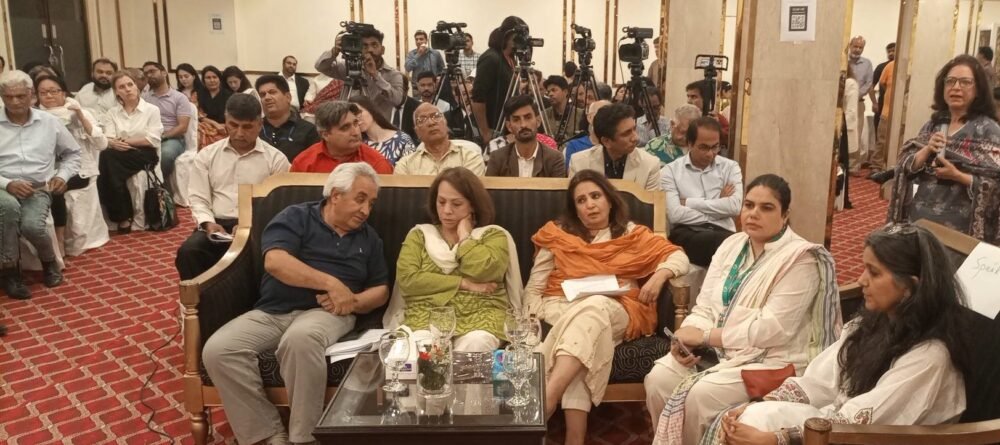
Chairperson Asad Iqbal Butt, former chairperson Hina Jilani, co-chair Munizae Jahangir, vice-chair Nasreen Azhar and secretary-general Harris Khalique presented the report’s findings earlier today and took questions from the press. The report can be accessed here: https://tinyurl.com/yewzk8tu

The High Asia Herald is a member of High Asia Media Group — a window to High Asia and Central Asia