
Parliamentarians, government officials and civil society, call for stringent action to protect youth from devastating effects of tobacco
News Desk
Islamabad, Oct 8: In a powerful voice against the tobacco industry, parliamentarians, government regulators, and civil society leaders Thursday demanded urgent, stringent action to protect the nation’s youth from the devastating effects of tobacco and emerging nicotine products as alarming new figures laid bare the staggering human and economic cost of inaction.
In Pakistan, tobacco use claims 164,000 lives annually, with 77.5% of those deaths (101,300) directly attributed to smoking and 22.5% (29,300) caused by secondhand smoke. The economic cost is equally devastating. It costs the country Rs700 billion every year in healthcare expenses and lost productivity equivalent to 1 percent of the country’s GDP.
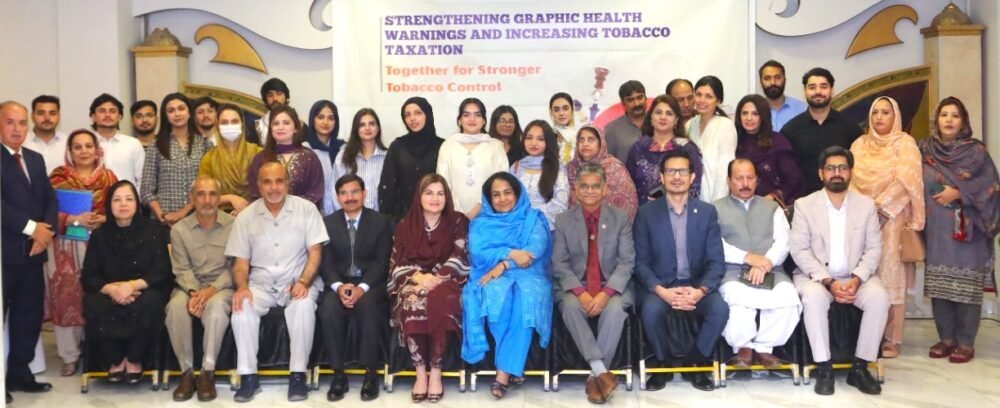
These grim statistics formed the backdrop as Aurat Foundation (AF) convened a high-level stakeholders’ meeting on the theme “Orientation on Strengthening Graphic Health Warnings and Increasing Tobacco Taxation” at the Envoy Continental Hotel.
The gathering issued a unified call for a three-pronged offensive of higher taxes, larger graphic health warnings, and stricter enforcement against advertising.
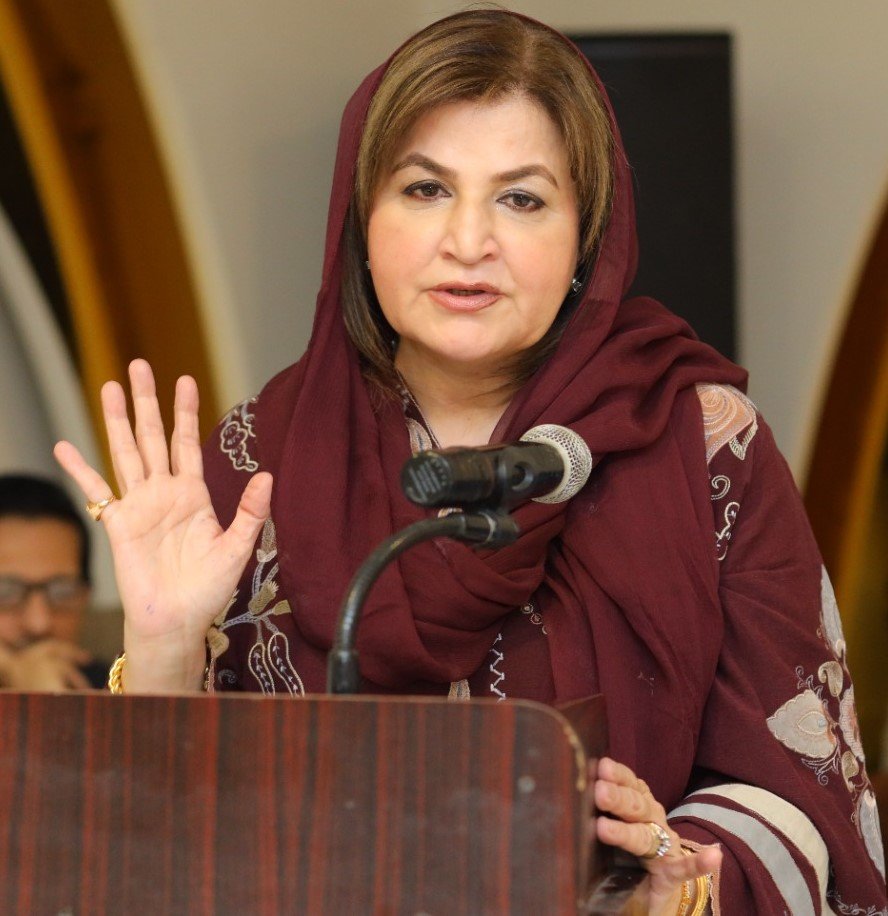
Addressing the gathering as chief guest, Farrah Naz Akbar, Parliamentary Secretary for National Heritage, declared that tobacco control must be elevated to a national priority. She framed the protection of children from nicotine addiction not merely as a health issue, but as a “collective national obligation.”
“Parliament has a critical role in translating public-health evidence into effective legislation,” Ms Akbar stated, emphasizing the power of fiscal policy. She noted that increasing tobacco taxes is one of the most effective tools to reduce consumption, as it makes products less affordable for young people while generating vital government revenue.
She also threw her weight behind strengthening Graphic Health Warnings (GHWs), noting that larger, more prominent warnings make the grim consequences of smoking visible to consumers and serve as a powerful deterrent to first-time users.
Echoing this sentiment, MNA Huma Chughtai vowed that legislators would not lag behind, announcing plans to bring a formal resolution in Parliament to mandate increased GHWs on cigarette packs. She stressed the need for a “joint societal action” to combat the epidemic.
The urgency is underscored by the sheer scale of tobacco use in Pakistan. Over 23 million people actively consume tobacco products, with one in every five adults smoking. Approximately 31.6 million adults (19.9% of the adult population) currently use tobacco in some form. The health consequences are catastrophic: tobacco is a leading cause of oral cavity and lung cancers, and smoking significantly elevates cardiovascular risk, contributing to a growing burden of heart disease across the country.
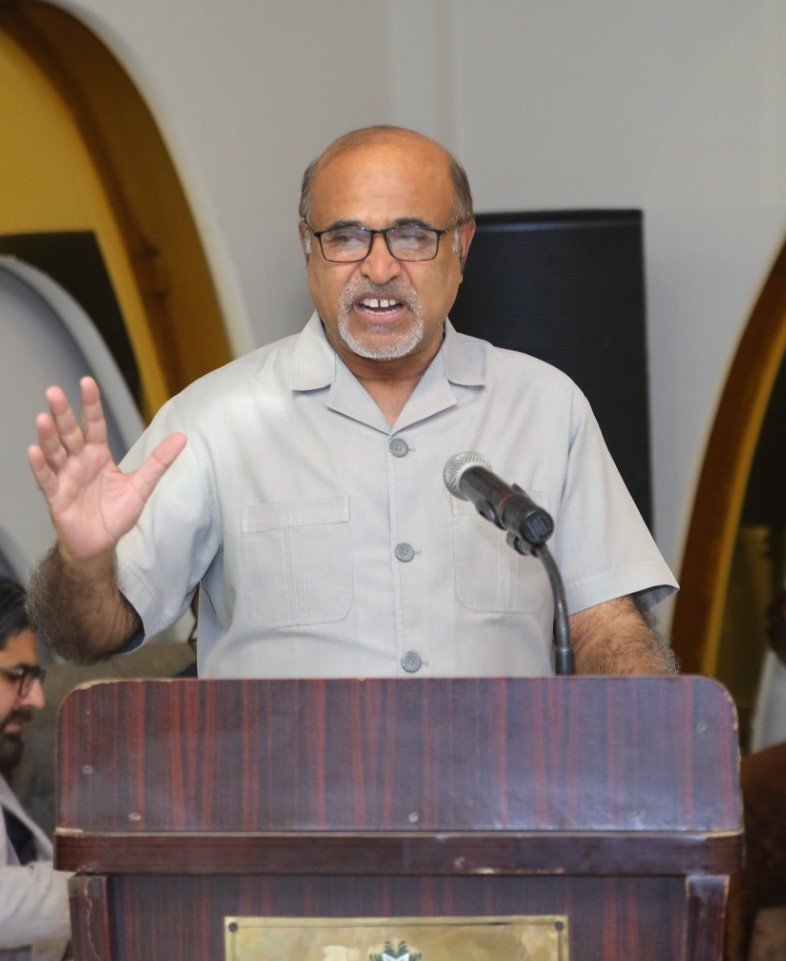
Dr Arsalan Haider, Director of the Tobacco Control Cell, outlined the government’s role in implementing Pakistan’s commitments. While Rahat Ali, Director General of PEMRA, highlighted the critical responsibility of regulatory authorities in preventing tobacco advertising and ensuring strict compliance with existing bans.
Giving an overview of Pakistan’s tobacco control context and the WHO MPOWER framework, Aftab Ahmed, Tobacco Control Cell, Ministry of National Health Services, Regulations and Coordination, highlighted the importance of effective implementation of tobacco control measures, particularly stronger graphic health warnings.
Earlier, Syed Safdar Raza, Team Lead, Aurat Foundation, in his welcome remarks, highlighted the organization’s continued efforts to strengthen parliamentary and public awareness on effective tobacco control.
Experts from the Ministry of National Health Services, Regulations and Coordination and the Health Services Academy provided a grim overview of the health risks, with Dr Matiur Rehman making a compelling case for the elimination of tobacco use in all forms from society.
The meeting issued a stark warning against the tobacco industry’s evolving tactics in the digital age. Leaders stressed that tobacco companies must not be allowed to exploit social media, sponsorship, or indirect marketing to lure children and young people.
The consensus from the meeting was clear: tobacco control is a “whole-of-government and whole-of-society” mission that requires Parliament, regulators, academia, and communities to work in lockstep.
The event concluded with a shared commitment to advance evidence-based policies that prevent initiation, encourage cessation, and protect present and future generations from the harms of tobacco.
Reaffirming its dedication to the cause, the Aurat Foundation vowed to continue working alongside all stakeholders to build a “healthier and tobacco-free Pakistan.”

The High Asia Herald is a member of High Asia Media Group — a window to High Asia and Central Asia