The Silent Extinction of Gilgit-Baltistan’s Buddhist Legacy
by Safiullah Baig Manuscripts (Sutras) are among the most sacred and authentic texts of Buddhist doctrine and civilization, preserved in
Read More
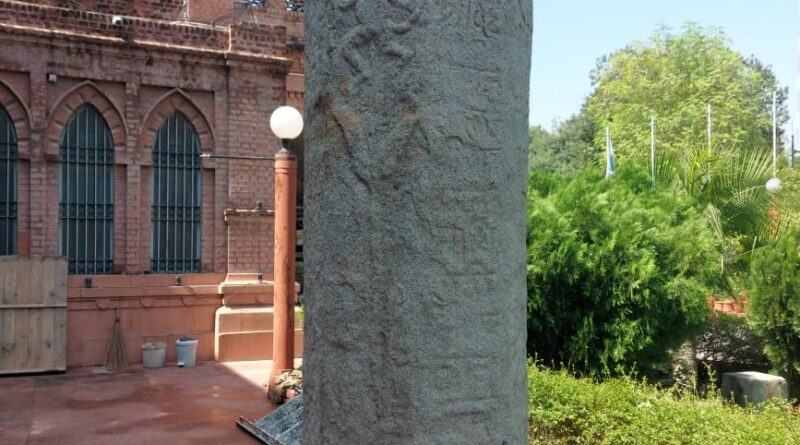
by Safiullah Baig Manuscripts (Sutras) are among the most sacred and authentic texts of Buddhist doctrine and civilization, preserved in
Read More
Can Gilgit-Baltistan’s new PPP government build Pakistan’s next global success story? by Ghulam Amin-Beg Gilgit-Baltistan occupies a unique position within
Read More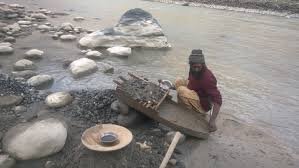
اگر ابھی سے کوئی موثر اقدام نہ کیا گیا تو آنے والے سالوں میں دریائے ہنزہ کے کنارے بسنے والی پوری آبادیاں اپنی زمینوں اور گھروں سے بے گھر ہو جائیں گی، اور یہ خوبصورت وادی ایک ماحولیاتی تباہی اور سماجی ناانصافی کی مثال بن کر رہ جائے گی۔
Read More
by Fazal Saadi The sky tore open, and hell poured out in Gilgit-Baltistan’s Ghizer District. What followed was an avalanche
Read More
Resource capture in Gilgit-Baltistan is a stark reminder of the region’s continued exploitation and marginalisation. The control of the Sost Dry Port, the leasing of mineral resources to non-local investors, and the disregard for environmental and indigenous laws all point to a systemic pattern of exclusion and exploitation. If this trend continues, Gilgit-Baltistan risks becoming a textbook example of how powerful actors can hijack development initiatives to serve their interests at the expense of local communities and the environment.
Read More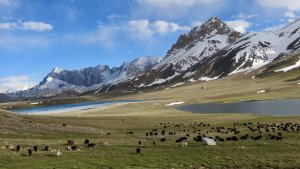
The wider Himalayan Arc, consisting of mountain ranges that incorporate major mountain systems such as the Tien Shan, Pamir, Hindu Kush, Karakoram, Himalaya, and Kun Lun Shan Mountains, is ecologically a very diverse mountainous region with peaks and plateaux. Steep mountain slopes and deeply incised valleys, glaciated areas above the snow lines, deserts and steppes, forests, rangelands, and wetlands compose a region that offers limited space for mountain communities to settle in compact oases and vast areas for extensive forms of pastoral practices herding predominantly for 16 million yaks, and much higher numbers of sheep and goats. About 60% of the Hindukush-Himalayan surface is composed of rangelands and pastures.
Read More
Trophy hunting, whether undertaken by women or men, is a harmful and unsustainable practice that has no place in modern society. NWF-GB
Read More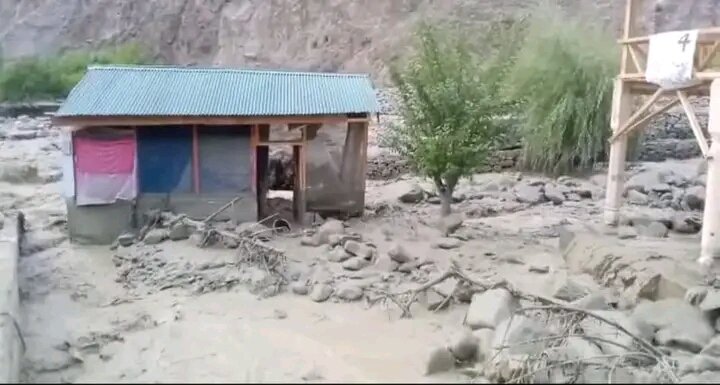
There is a need to assess these risks and challenges, and their impacts on biodiversity, ecology and human wellbeing of Hindu Kush-Himalaya regions
Read More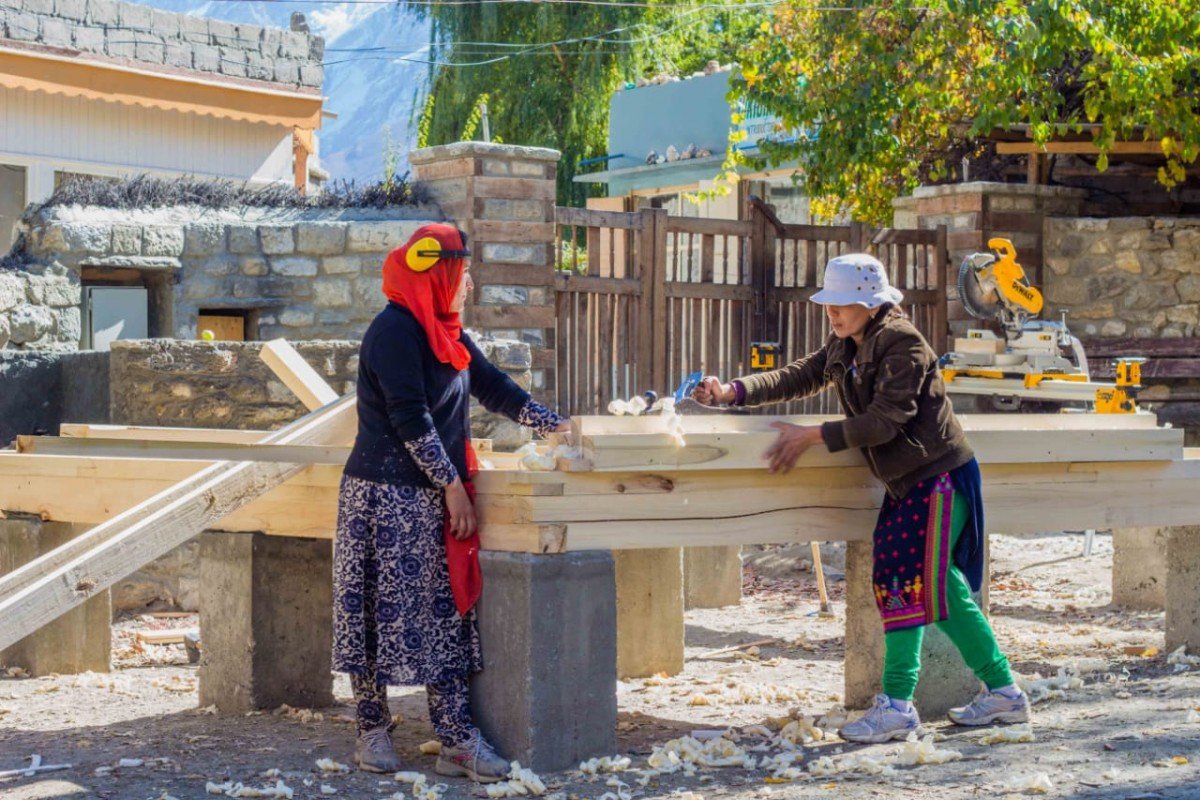
by Ali Rehmat Shimshali Have you ever imagined progress of a society, or a nation without women? To answer this
Read More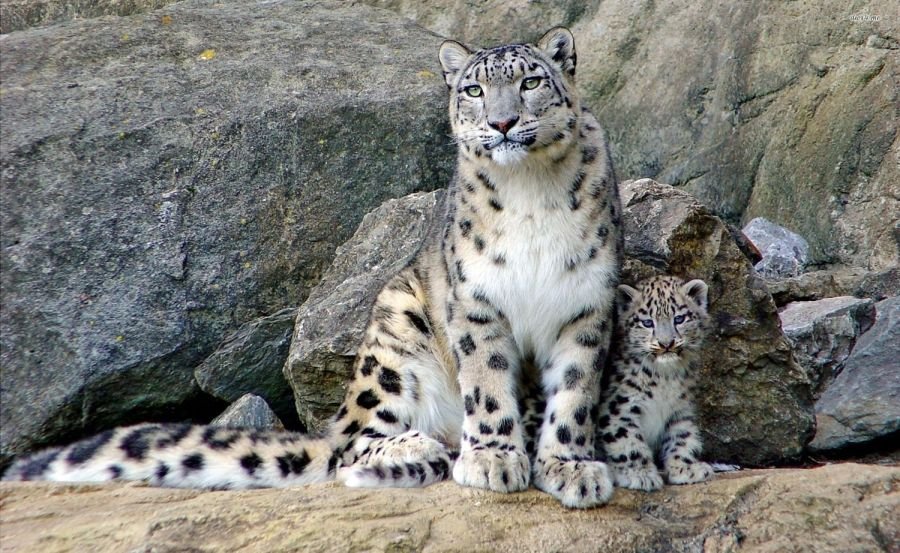
Considered to be the icons of High Asia, the elusive snow leopards have evolved to live in some of the world’s highest and harshest habitats in 12 countries.
Read More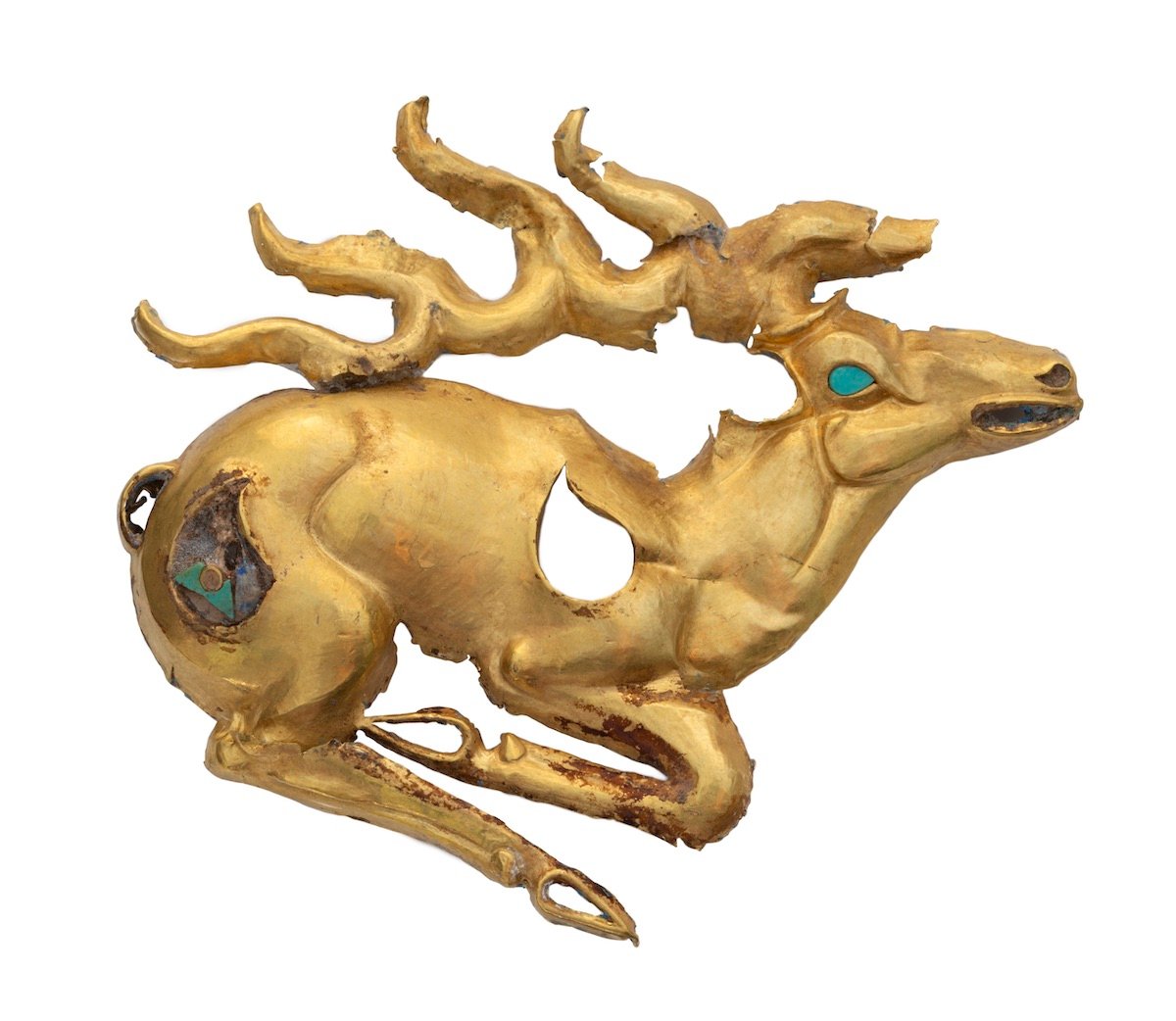
Recent excavations in eastern Kazakhstan have led to important discoveries about the ancient Saka people. The excavations reveal that permafrost
Read More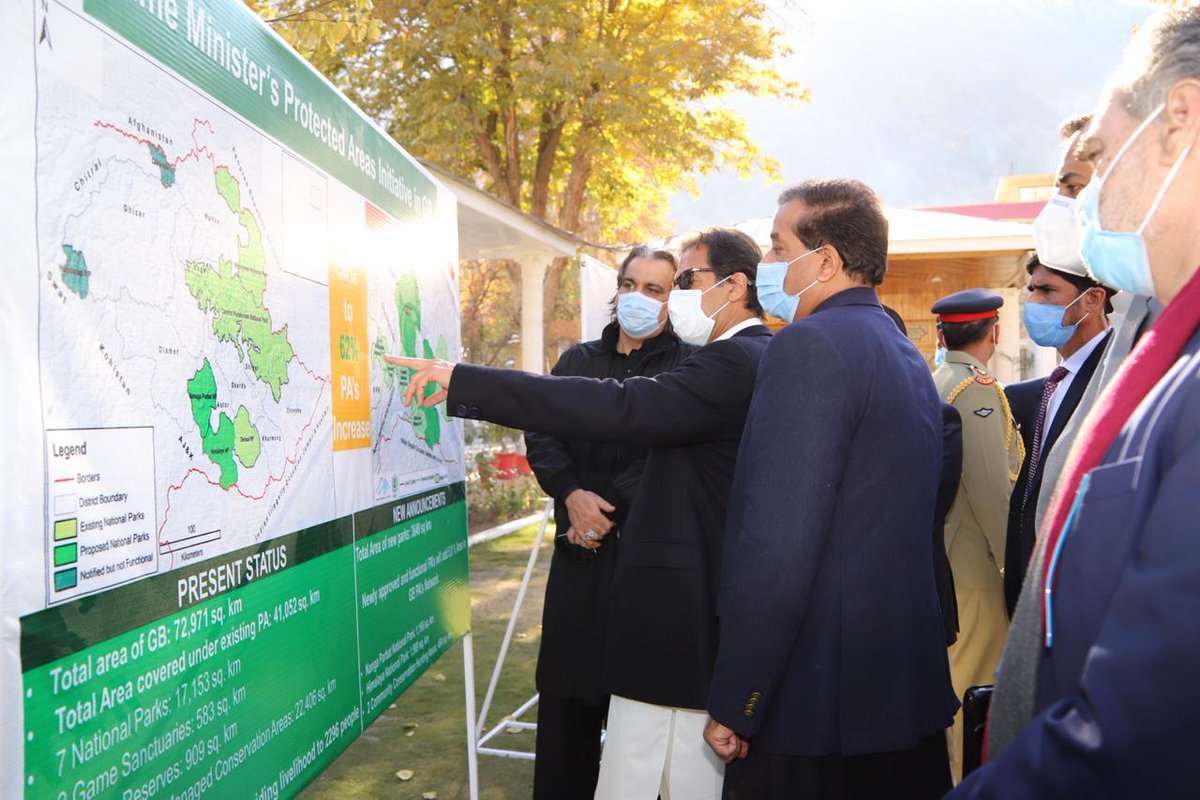
The contested fortress and neoliberal models of conservation and development have proven disastrous and failed in the world.
Read More
The UNWTO initiative to search for ‘Best Tourist Village’ aims at making tourism a positive force for transformation, rural development and community well-being, and to maximise the contribution of the sector to reducing regional inequalities and fighting against rural depopulation.
Read More
F. Ali Syed Yahya Shah Al-Hussaini, a noted religious scholar, political leader, social reformer, nature conservationist, folklorist and award-winning writer
Read More
Calls for a community-driven and managed approach in Gilgit-Baltistan By: Anmol, Shams Uddin & Anayat Baig Karachi: The neoliberal development
Read More